Common Reasons for Root Canal Therapy
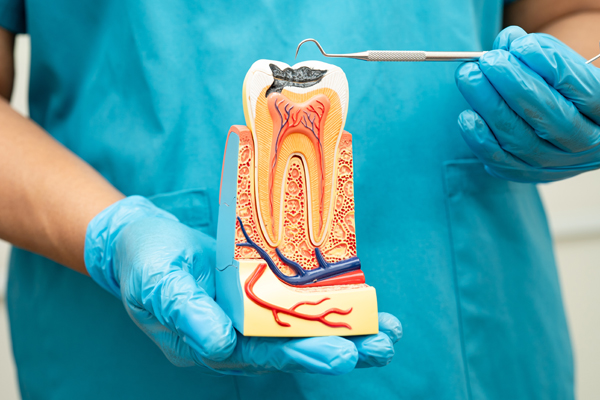
Root canal therapy may save damaged or infected teeth from extraction. Although it is often not the first treatment choice when there is a dental issue, it is necessary when other procedures would not be effective. There are several situations where patients may need this common dental treatment.
Reasons why a dentist is likely to recommend a root canal
Undergoing a root canal has the potential to save a patient's tooth. During the procedure, dentists eliminate bacteria from the root canal and remove the infected or inflamed pulp. Following the removal, a dentist cleans the inside of the tooth and seals it.
Following the procedure, patients retain a natural-looking smile and may soon eat normal foods again without pain or discomfort. The tooth will no longer feel heat and cold sensitivity, and the crowns look similar to natural teeth. The following are among the most common reasons a patient may require a root canal.
Damaged teeth
Trauma to the tooth, such as chips or cracks, may allow bacteria to reach the tooth's pulp. Blunt trauma may be the culprit behind any fractures to the tooth, or decaying teeth may turn brittle and easy to crack. Trauma that causes inflammation to the pulp may require root canal therapy to prevent infection and save the tooth.
Darkening or swollen gums
As an infection starts to kill a tooth, it may also begin to kill the gums. A red flag associated with dying gums is a darkening of the tissues. In addition, the gums may appear to be inflamed. While inflammation is often common when a patient brushes aggressively, inflammation from infection is painful to the touch and tends to remain swollen. Other signs of gum infection include receding gums, chronic bad breath, and pus discharge.
Tooth infection
Infection may cause spontaneous, severe waves of pain that increase or decrease based on the patient's position. For example, pressure may build up when a patient lays down, interrupting sleep and causing severe pain when resting. Other noticeable signs of infection include bumps on the gums, known as fistulas. However, not all infections present with bumps.
Tooth infections may cause a pocket of pus or abscess to begin to form under the tooth. Even with antibiotics, the infection may always return if the patient does not undergo further treatment. Leaving an infected tooth untreated can have serious consequences. Along with spreading to the gums, it can also spread to other areas of the body, causing systemic infection.
Failed root canal
Some patients undergo root canal treatment when a previous root canal fails. Often, failure occurs within the first few days, but sometimes the treatment fails years after the procedure. A failed root canal generally means that some of the decay was left behind. Some following instances that may result in a failed root canal include:
- Crown breakdowns
- Seal breakdowns
- New trauma or decay
A tooth's canal system is complex. It may be narrowed, curved, and difficult to navigate during the procedure. If decay remains anywhere in the canal, it may spread and continue to damage the tooth. To treat a failed root canal, a dentist reopens the tooth and performs another root canal.
Frequently asked questions
Before undergoing root canal therapy, patients often have questions.
What is the success rate of root canal therapies?
Although some root canals fail, most are successful. Long-term success occurs more than 90% of the time.
What are some signs that one may need root canal therapy?
Although an exam by a dentist is necessary to determine if a root canal is needed, there are some tell-tale signs. These include:
- Throbbing pain or acute, severe pain
- Sensitivity to heat
- Swollen and red gums with pimple-like bumps
- Tender or sore gums
- Tooth discoloration
- Tooth pain with touch or chewing
Is removing the damaged tooth an alternative to root canal therapy?
Extracting the infected tooth is an alternative to a root canal, but there are associated consequences. Leaving a gap in the mouth can cause neighboring teeth to shift, and the jawbone begins to lose density. It is recommended to replace the missing tooth, which may require invasive procedures and additional expenses.
Conclusion
Any time a tooth's pulp becomes inflamed or infected, a root canal may be one of the only options available to save a patient's natural tooth. Chipped teeth, infected gums and teeth, and failed root canals are the most common reasons to receive root canal therapy.
Request an appointment here: https://www.desertsundental.com or call Desert Sun Dental at (509) 785-6491 for an appointment in our Quincy office.
Check out what others are saying about our dental services on Yelp: Root Canal Treatment in Quincy, WA.
Related Posts
You may dread the thought of having a root canal, but it may be necessary. A filling or composite bonding might address minor or moderate cavities. However, if you are experiencing severe, consistent pain in your teeth, these treatments may not be enough to restore the affected tooth. Endodontic treatment is a method where your…
A root canal is a procedure that dentists can perform to stop infection inside a tooth by removing its pulp, or the material in the center of a tooth. Since teeth are made of enamel and other hard materials, they do not swell up to warn you that an infection might be present, like other…
Root canal infections occur when bacteria reach the central canals of your teeth due to exposure from taking a blow to the mouth or tooth decay. A root canal is a procedure performed for the purpose of repairing or salvaging a seriously decayed tooth or a tooth that has been severely infected. During a root…
A sudden toothache, broken tooth, or swollen gum can turn an ordinary day into a stressful situation, making an emergency dentist an important resource. Some dental concerns can wait for a scheduled visit, but others need fast care to relieve pain and protect the tooth. Knowing what counts as a dental emergency can help patients…