10 Signs You Might Need Dentures Sooner Than You Think
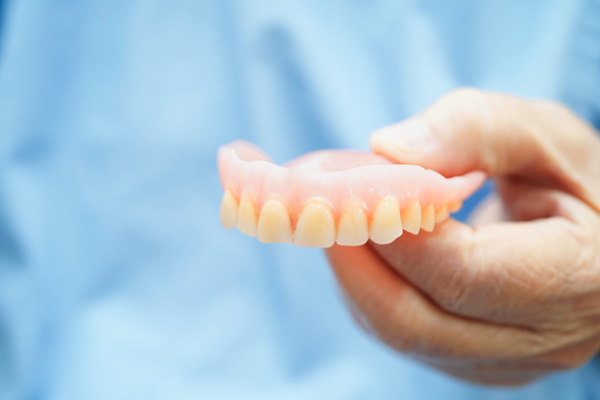
Many patients associate dentures with aging, but these prosthetics are often recommended earlier than expected due to various dental health issues. Dentures help restore function and appearance after significant tooth loss, damage, or gum disease. Recognizing early warning signs can prevent further complications and allow a general or implant dentist to preserve oral health before tooth loss becomes severe.
Ignoring symptoms may delay necessary treatment and increase the need for more extensive solutions in the future. Understanding the following signs may help determine if dentures could be the right option sooner rather than later.
1. Chronic tooth pain
Persistent tooth pain, especially when biting or chewing, may signal deep decay or nerve damage. If multiple teeth are affected and cannot be restored with fillings or crowns, extractions, and eventual dentures may become necessary to restore function and comfort.
2. Loose or shifting teeth
Teeth that shift position or feel loose without injury often indicate advanced gum disease. As periodontal structures break down, teeth lose support and may become unsalvageable. Dentures offer a stable and reliable alternative after tooth extraction.
3. Frequent infections or abscesses
Recurrent dental infections or abscesses can result in bone loss and irreversible damage. When conservative treatment fails, or infections recur in multiple areas, a general dentist may recommend removing affected teeth and replacing them with dentures to prevent ongoing health risks.
4. Bleeding, swollen, or receding gums
Signs of gum disease, such as bleeding while brushing, inflamed tissue, or gum recession, should not be ignored. Advanced periodontitis can lead to tooth loss and bone deterioration. If gum disease has progressed, dentures may offer a practical solution to restore oral health.
5. Missing multiple teeth
Losing one or two teeth may be addressed with bridges or implants, but several missing teeth often require a more comprehensive approach. Dentures fill in larger gaps, restore bite alignment, and prevent remaining teeth from shifting out of place.
6. Difficulty chewing or speaking
Trouble chewing certain foods or experiencing slurred speech can indicate underlying dental issues. Missing or damaged teeth disrupt normal oral function. Dentures support proper tongue movement and chewing mechanics, enabling patients to speak and eat with greater confidence.
7. Visible tooth damage
Cracked, broken, or severely worn teeth may no longer function effectively. When multiple teeth show signs of structural failure and cannot be repaired with crowns or bonding, dentures offer a cost-effective and reliable replacement option.
8. Facial sagging or sunken cheeks
Teeth play a critical role in maintaining facial structure. When several teeth are missing, facial muscles may lose support, resulting in premature aging. Dentures help restore volume and maintain the natural shape of the face.
9. Difficulty maintaining oral hygiene
Brushing and flossing become more difficult when there are gaps, loose teeth, or discomfort. Poor hygiene often leads to further decay and gum disease. In cases where a healthy routine cannot be maintained due to oral health deterioration, transitioning to dentures can help reset and support long-term hygiene practices.
10. Recommendations from a dental professional
When a general or implant dentist begins discussing dentures as a treatment option, it typically follows a thorough evaluation. Dentists consider factors such as bone loss, remaining tooth health, gum condition, and patient goals before making this recommendation.
Types of dentures available
When dentures become the most suitable solution, patients can choose from a variety of options:
- Full dentures replace all teeth in the upper or lower arch.
- Partial dentures fill in gaps between healthy natural teeth.
- Implant-supported dentures provide added stability by attaching to dental implants that are anchored in the jawbone.
Each option can be customized to fit the patient's anatomy, lifestyle, and preferences.
Addressing concerns early leads to better outcomes
Postponing dental care often worsens conditions and limits treatment choices. Dentures do not only restore appearance—they improve chewing, speaking, and quality of life. Patients who take proactive steps often find that transitioning to dentures restores their confidence and allows them to function more comfortably than expected.
A comprehensive dental exam enables the dentist to determine whether dentures or another treatment option is suitable. Bone support, gum health, and the condition of remaining teeth all factor into treatment recommendations.
Explore your options with expert guidance
Recognizing these early signs helps patients take action before dental issues become unmanageable. Dentures are not just for seniors—they can be a vital solution at any age when tooth loss affects daily life. General and implant dentists work closely with patients to ensure the best path forward, whether that includes dentures or alternative treatments. For more information or to schedule a consultation, call Desert Sun Dental at {{PHONE}}.
To schedule a consultation, request an appointment on our website at https://www.desertsundental.com or call Desert Sun Dental at (509) 785-6491 for an appointment in our Quincy office.
Check out what others are saying about our dental services on Yelp: Dentures and Partial Dentures in Quincy, WA.
Related Posts
You could be a candidate for dental bonding if you have gaps in your front teeth. This minimally invasive procedure will close your tooth gap and enhance your smile's appearance. The composite blends in with your natural teeth, so it will not be noticeable. Continue reading to learn more about the application process and see…
Dental bonding is a process that restores the functionality and attractiveness of a patient’s smile by applying a natural-looking substance to a tooth. Patients with cracks, decayed, chipped, or cracked teeth may benefit from the long-lasting composite material that is put on their teeth. The interesting part of dental bonding is that it needs little…
Dental bonding is an effective restorative procedure for many dental issues, including tooth sensitivity. Read on to learn more about dental bonding. Dental sensitivity affects almost everyone at some point in their lives. Very hot or cold foods or liquids may cause a person’s teeth to become irritated. Knowing how to manage or approach sensitivity…
Many people feel self-conscious about cosmetic issues in their smile and want a straightforward fix. Fortunately, dental veneers provide an effective way to fix chipped, stained, or uneven teeth, allowing you to achieve a bright smile that boosts your confidence. When you understand how the treatment process works, it is much easier to decide whether…