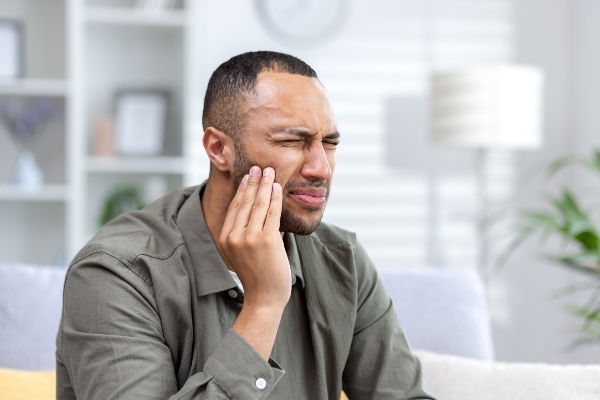
Could bruxism be a temporomandibular joint (TMJ) disorder? This condition is the subconscious or involuntary grinding of teeth. Bruxism often occurs at night or during stressful situations. It can happen whether you are awake or asleep. Finding out if bruxism could be a TMJ issue can get you the help you need.
The basics of bruxism
Research reveals that constant teeth grinding can put extra stress on the jaws and teeth. This habit leads to jaw pain and dental damage. Children, teens, and young adults tend to grind their teeth. Individuals like them may develop the following symptoms:
Pain while eating
Facial pain in the morning
Earaches
Headaches in the morning
Ringing in the ears (tinnitus)
Difficulty closing and opening the mouth
Sore jaw muscles
TMJ disorder and teeth grinding
Research reveals that bruxism or teeth grinding is not a TMJ disorder. But these two conditions have a close connection. Frequent jaw clenching or teeth grinding does not need treatment. Even so, a severe case can have a negative effect on jaw and teeth health. Bruxism is often linked to temporomandibular joint disorder (TMD). Teeth grinding and TMD are often present together in many patients.
The general dentist explains that teeth grinding can lead to TMJ disorder. It can lead to jaw misalignment, which causes the TMJ to malfunction. Bruxism is known to overload the jaw joint. Overloading the TMJ with stress leads to persistent pain.
These two conditions can stand alone. One does not have anything to do with the other. Even so, it is important to understand that many bruxism patients have TMD. An experienced provider can create an effective and targeted treatment plan for them. The plan’s goals are:
To relieve TMJ pain
To address dental damage
To improve the patient’s bite
Teeth grinding contributes to TMD
People who have bruxism may or may not develop TMD. But in some cases, teeth grinding can lead to TMJ disorder. Studies show that longstanding bruxism can change a person’s bite. The activity can push the teeth away from their original positions. Teeth grinding can also damage dental restorations and natural teeth, which results in bite misalignment. This condition can result in TMD.
Manage bruxism and prevent TMJ disorder
The general dentist recommends managing or treating bruxism to prevent TMD. Wearing a bite splint during the day relieves the damage from teeth grinding. This dental device can prevent unwanted movements in the jaw and teeth. A custom-fitted night guard can protect the teeth from damage while sleeping at night. Reducing anxiety and stress can also improve the patient’s condition. Relaxing the jaw during the day can also help.
Check out what others are saying about our dental services on Yelp: Tmj in Quincy, WA
Bruxism is independent of jaw joint problems. Although both can cause pain, they are not the same. But severe and persistent teeth grinding can misalign the bite over time. This condition can lead to a TMJ disorder. Research reveals that managing bruxism can help prevent TMD. Working with your general dentist can help you regain a better quality of life.
For those experiencing persistent jaw pain, clicking sounds, or difficulty moving the jaw, seeking professional help can provide relief. TMJ treatment from a dentist addresses both the causes and symptoms of these issues to restore comfortable jaw function. Exploring the common causes of TMJ disorders and how treatment works is the first step toward managing…
There are several methods that a dentist may recommend for treating temporomandibular joint (TMJ) disorder. The best treatment depends on the severity of the TMJ disorder, the specific symptoms that the patient experiences, how long the symptoms have lasted, and what remedies and treatment solutions have been tried in the past.The most common ways that…
TMJ disorder is a serious condition that you should keep an eye on. Your dentist can check for signs and symptoms of this disorder. There are also treatments available to give you the relief you need. However, you do not need to wait to go to the dentist’s office to know that you have problems…