Dental Bridge Guide: How It Works, Pros/Cons, and How Long It Lasts
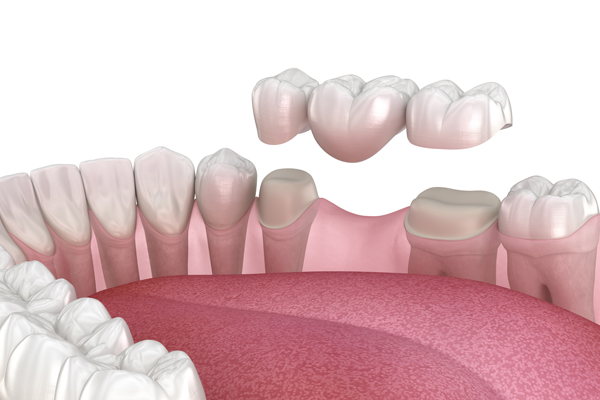
A dental bridge can replace one or more missing teeth by filling the gap with a restoration that restores appearance, function, and bite stability. Missing teeth do more than change the look of a smile. They can affect chewing, speech, tooth alignment, and the amount of pressure placed on nearby teeth. Learning how this treatment works can help patients decide whether it fits their needs and long-term goals.
How a dental bridge works
A dental bridge uses an artificial tooth, called a pontic, to fill the space left by a missing tooth. That replacement tooth is supported by the teeth next to the gap or, in some cases, by dental implants. Traditional bridges often rely on crowns placed over the neighboring teeth to hold the restoration securely in place. Once cemented, the bridge becomes a stable part of the smile and helps restore more balanced function.
This design allows the mouth to work more evenly during daily activities such as biting and chewing. It also helps prevent nearby teeth from drifting into the open space, which can lead to changes in bite over time. A dental bridge may be recommended after tooth loss caused by decay, gum disease, injury, or extraction. The exact type of bridge depends on the location of the gap, the health of the surrounding teeth, and the overall treatment plan.
What to expect during the process
Treatment usually begins with an exam, digital imaging, and a discussion about the condition of the surrounding teeth and gums. If a traditional bridge is the best option, we prepare the supporting teeth so crowns can fit over them properly. Impressions or digital scans are then taken to create a restoration that matches the bite and blends with the rest of the smile. A temporary bridge may be placed while we curate the final one.
At the final visit, the bridge is checked for fit, comfort, and appearance before we secure it in place. The dentist may make small adjustments so the bite feels natural and balanced. Once complete, the restoration helps patients speak and chew more easily. A dental bridge often feels more natural after a short adjustment period as the mouth gets used to the new shape and support.
Pros of choosing a bridge
One major benefit of this treatment is that it restores the appearance of a complete smile without leaving a visible gap. That can improve confidence while also helping with clear speech and more comfortable chewing. Because the bridge is fixed in place, it does not need to be removed for cleaning or storage like a removable appliance. Many patients appreciate the convenience and stability that come with a fixed restoration.
Another advantage is that treatment is often more straightforward than with some other tooth-replacement options. In many cases, a bridge can be completed in just a few visits. It also helps distribute bite pressure more evenly and supports the surrounding teeth by maintaining spacing. For patients seeking a reliable way to replace a missing tooth, this option can offer both functional and cosmetic benefits.
Cons to consider
A bridge still requires careful planning, and it may not be the right solution for every patient. Traditional bridges depend on nearby teeth for support, which means those teeth usually need to be reshaped to receive crowns. If the supporting teeth are not strong enough, or if gum disease is present, another treatment approach may be better. The long-term success of the restoration depends heavily on the health of the surrounding structures.
Cleaning around and under the bridge also requires attention. Food particles and plaque can collect near the gumline if oral hygiene is inconsistent. Patients often need special floss threaders or other tools to clean thoroughly beneath the pontic. While a dental bridge can function very well, it does require daily maintenance and regular dental visits to protect both the restoration and the natural teeth supporting it.
How long does a dental bridge last
The lifespan of this restoration depends on the materials used, oral hygiene habits, bite forces, and routine dental care. Many bridges last several years, and some remain successful for well over a decade when well-maintained. Daily brushing, flossing, and professional cleanings all help protect the supporting teeth and gums. Avoiding habits such as chewing ice or using the teeth to open packaging can also reduce unnecessary stress. The bridge itself may remain strong, but it still needs healthy surrounding teeth to continue functioning properly.
Book an appointment
Replacing a missing tooth early can help protect the rest of the smile from shifting, uneven wear, and additional strain. Understanding how a dental bridge works, the benefits and limitations it offers, and how long it may last can make the decision-making process feel more manageable. For more information or to schedule an appointment, call our office.
To schedule a consultation, please request an appointment on our website at https://www.desertsundental.com or call Desert Sun Dental at (509) 785-6491 to arrange an appointment at our Quincy office.
Check out what others are saying about our dental services on Yelp: Dental Bridges in Quincy, WA.
Related Posts
A dental bridge is a valuable solution for individuals with missing teeth, providing functional and aesthetic benefits. If you are considering dental bridges to restore your smile, you will need to determine whether you are a suitable candidate for this treatment.Let us discuss the factors that determine whether a patient is a suitable candidate for…
Dental technology continues to evolve, offering faster, more efficient, and more natural-looking solutions for common issues. One innovation leading this progress is the use of CEREC® crowns. A general or cosmetic dentist can design, create, and place these high-quality restorations in a single visit.Short for Chairside Economical Restoration of Esthetic Ceramics, CEREC crowns are custom-made…
CEREC crowns provide a fast and efficient solution for restoring damaged or weakened teeth. Unlike traditional crowns, which require multiple visits and temporary restorations, CEREC crowns are created and placed in a single appointment. Using advanced digital imaging and milling technology, these same-day crowns offer durability, precision, and a natural appearance. For individuals seeking a…
CEREC® crowns are gaining popularity. Even so, there is only a limited number of clinics adopting the CEREC technology. Those who find dental facilities with this system are now enjoying the advantages of these crowns. If you want to find out more about the availability and popularity of CEREC crowns, here are the details.Traditional crowns…