Foods You Should Avoid With Dental Implants
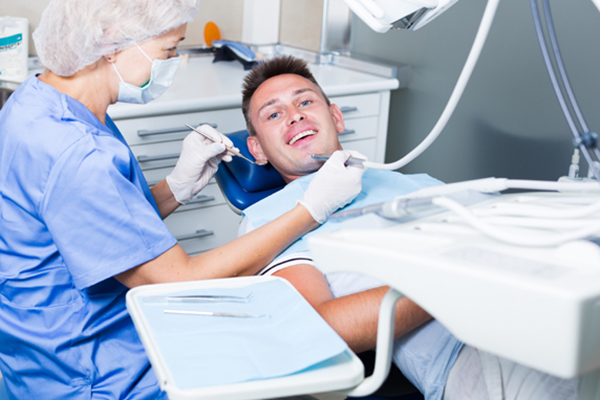
Missing teeth can significantly affect how you speak, eat, and feel about yourself. Fortunately, dental implants can help restore you and your mouth to a more natural look and function. Dentists use implants to replace one or more lost teeth. They also sometimes serve as foundations for bridges and dentures. Implants mainly permit you to continue your regular habits and activities, but there are a few exceptions, particularly regarding what foods you eat.
Foods to avoid while you heal
Proper healing after dental implant procedures requires time and special care. A dental implant is an artificial material that acts as the root for one or more lost teeth. Natural teeth roots attach to the jaw bone to secure the teeth. Dental implants must fully fuse with the jaw bone to become properly anchored; a process called osseointegration. Complete osseointegration takes anywhere from two to six months. Until this happens, dentists usually provide specific instructions to help ensure each implant remains in place and works correctly.
Often, these directions include certain dietary restrictions, such as a liquid or soft foods diet for a while. Super hot or cold foods may irritate the gums and slow your recovery, so they too should be avoided while you heal. There are also some good foods for you to eat to help heal. Overall, a well-balanced diet of fruits, vegetables, and lean meats or beans is optimal. Foods rich in vitamins A and C, zinc, and protein are great to include in your post-operation diet.
Often, the foods that provide the most nutrients are the ones that may be the most difficult to eat with new implants. At the beginning of the healing process, consider cooking foods such as carrots, broccoli, and squash to the point where they are soft and easy to chew. Eat ripe fruits, and aim for more soft fruits such as peaches and bananas over apples and pears.
Even when maintaining the proper diet, after you receive your dental implants, contact your dentist if you notice anything uncomfortable or unusual. For example, an implant that feels very loose or particularly painful could be a great cause for concern. It is also a good idea to ask your provider the brand of the implant as well as what the implant was made from, in case you ever find yourself in a situation where you need a new implant in an emergency when you are away from your dentist at home.
Smoking or otherwise using tobacco products is something that should also be avoided during and after the process of getting dental implants. Not only is the use of these substances bad for oral health in general, but their use can delay the healing process that is necessary to return to normalcy after major surgery.
Foods to avoid permanently
Once the osseointegration process is finished, you can usually get back to eating a diet full of many of the foods and drinks you love. There are still a few key foods and beverages you should avoid, though. Dental implants are made to be as similar to natural teeth as possible, so many foods to avoid are the same as they are for original teeth. One major type of food to skip is very hard food. Biting down on materials like hard candies or ice can crack or wear away an artificial tooth just like a regular one. You should also take particular care when consuming foods that more easily get wedged in between teeth or gumlines, like popcorn or berries with tiny seeds. Ingest minimal amounts of alcoholic beverages and highly sugary foods and beverages to help avoid bacteria buildup and reduce the chance of eroding the implant material.
Conclusion
Dental implants help to preserve the integrity of the jawbone and gums. With a successful implant where you avoid eating certain foods during healing, the procedure should improve your quality of life. Implants can be a great way to return to a more natural-looking and -feeling smile and mouth. Though they are designed to look and work as close to natural teeth as possible, there are a few diet details to keep in mind. Dentists advise eating only soft foods and beverages and foods of moderate temperature directly after implant placement. They also recommend avoiding very hard, particularly invasive, and overly sugared foods and drinks. Ultimately, implants can get you back to many of your favorite consumables again, but make sure you keep these few exceptions in mind.
Request an appointment here: https://www.desertsundental.com or call Desert Sun Dental at (509) 785-6491 for an appointment in our Quincy office.
Check out what others are saying about our dental services on Yelp: Dental Implants in Quincy, WA.
Related Posts
Getting an implant restoration marks a major milestone in a patient's journey toward a fuller smile. It is the final step in replacing teeth with dental implants, topping off these titanium posts with artificial teeth that look and feel natural. Whether you are considering implants or have already finished the healing phase, it is common…
Dental bonding is an affordable way to fix many restorative and cosmetic dental issues, and it is often completed during a single visit. The materials used are made up of mixtures of plastics and glass, and they are color-matched with the rest of the patient’s teeth.It is a non-invasive way to repair teeth, and there…
If you have small defects in your front teeth, dental bonding is a great choice to consider. It is less costly than porcelain veneers and can be a cost-effective alternative for problems such as stained or chipped teeth. Furthermore, bonded teeth do not necessitate any special aftercare. The material used adheres to the teeth well.…
Your dentist might recommend dental bonding if you are unhappy with your smile. This article explains how long this restoration will last and what influences its lifespan. Whether you have had a tooth gap for years or have recently chipped a front tooth, even a little mistake will make you hesitate before smiling. However, before…