Orthodontics Timeline: From Braces to Beautiful Teeth
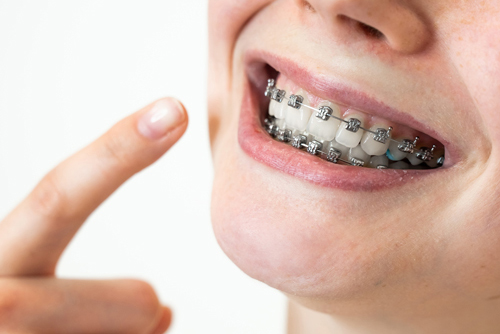
Orthodontics guides teeth from crowded or misaligned positions to a balanced smile through a series of planned stages. This specialty focuses on how the teeth, jaws, and bite work together over time. With the right plan, patients move from the first consultation to braces and eventually to beautiful, stable results. Understanding the orthodontic timeline helps set clear expectations and makes each phase feel more manageable.
Step 1: The initial orthodontic consultation
Everyone's journey begins with a thorough evaluation of teeth, gums, and jaw alignment. During this visit, the dentist reviews the bite, checks for crowding or spacing, and notes how the upper and lower teeth come together. They do this by using digital X-rays, photos, and impressions or scans, which give a detailed view of tooth positions and jaw structure.
Based on this information, the dentist recommends whether orthodontics is appropriate and which type of appliance will best serve the patient. Options may include traditional metal braces, ceramic braces, or clear aligner systems, depending on the case. The consultation also outlines estimated treatment length, financial details, and the responsibilities that support successful results.
Step 2: Treatment planning and getting braces
Once a patient chooses orthodontics, a customized treatment plan comes next. The dentist maps out how teeth should move, which adjustments are necessary, and how appliances will guide that movement over time. This plan functions as a roadmap that keeps care organized and predictable.
When it is time to start, brackets attach to the teeth, and a wire connects them, or aligners arrive with instructions for wear. Bonding brackets usually take one visit, and patients leave with full instructions for brushing, eating, and handling initial soreness. For aligner systems, patients receive multiple sets with a schedule for changing trays and attending progress checks.
Step 3: The active orthodontic phase
The active phase represents the longest part of the orthodontic timeline. During this period, regular adjustment visits guide teeth toward their ideal positions. For braces, the dentist changes and tightens archwires, adjusts elastics, and may add small bends to fine-tune movement. For aligners, the custom trays continue the gentle pressure that gradually shifts teeth, with patients receiving new trays every one to two weeks.
Discomfort can occur for a short time after each adjustment, but it typically improves within a few days. Soft foods, careful chewing, and saltwater rinses often help ease tenderness. Strong home care, including thorough brushing around brackets and along the gumline, protects enamel and gums during this active stage.
Step 4: Mid-treatment checkpoints and refinements
As treatment progresses, mid-course evaluations ensure that teeth follow the planned path. The dentist reviews X-rays or digital images, measures bite changes, and confirms that roots and bone show healthy responses. If certain teeth move more slowly than expected, small adjustments to wire shape, bracket position, or the aligner sequence can guide them back on track.
These checkpoints give patients a chance to review progress and ask questions about the remaining timeline. When cooperation with elastics or aligner wear improves, the overall schedule becomes smoother. Good communication between the dental team and the patient supports a positive experience from start to finish.
Step 5: Approaching the finish line
Near the end of treatment, the focus shifts from major movement to fine details. Slight rotations, small spaces, or minor bite discrepancies receive careful attention. The dentist makes precise adjustments to create a symmetrical smile and a balanced bite that feels comfortable in everyday use.
At this stage, patients often notice that their teeth look significantly straighter and that photos show a visible difference. Even so, the final refinements remain important for long-term stability and function. Please note that skipping appointments or relaxing oral hygiene habits at this point can interfere with an otherwise excellent outcome.
Step 6: Braces removal and the retention phase
Once teeth reach their planned positions, braces come off, or aligner treatment concludes. This appointment reveals the full result, with smoother contours and more even alignment throughout the smile. A thorough cleaning removes any remaining adhesive and polishes the enamel.
After active orthodontics, the retention phase begins. Custom retainers hold teeth in place while bone and ligaments adapt to the new positions. Patients usually wear retainers full-time at first and then transition to nighttime wear as the dentist recommends. Consistent retainer use remains essential to prevent teeth from drifting back toward their original alignment and to keep the newly beautiful smile.
Call us for more information
From the first consultation to the retention phase, orthodontics follows a structured timeline that gradually transforms tooth and jaw alignment. Each stage, from planning and active movement to refinements and retention, plays a specific role in achieving a stable, attractive result. If you have more questions about the process or wish to schedule an orthodontic evaluation, contact Desert Sun Dental.
Request an appointment here: https://www.desertsundental.com or call Desert Sun Dental at (509) 785-6491 for an appointment in our Quincy office.
Check out what others are saying about our dental services on Yelp: Orthodontics in Quincy, WA.
Related Posts
You could be a candidate for dental bonding if you have gaps in your front teeth. This minimally invasive procedure will close your tooth gap and enhance your smile's appearance. The composite blends in with your natural teeth, so it will not be noticeable. Continue reading to learn more about the application process and see…
Dental bonding is a process that restores the functionality and attractiveness of a patient’s smile by applying a natural-looking substance to a tooth. Patients with cracks, decayed, chipped, or cracked teeth may benefit from the long-lasting composite material that is put on their teeth. The interesting part of dental bonding is that it needs little…
Dental bonding is an effective restorative procedure for many dental issues, including tooth sensitivity. Read on to learn more about dental bonding. Dental sensitivity affects almost everyone at some point in their lives. Very hot or cold foods or liquids may cause a person’s teeth to become irritated. Knowing how to manage or approach sensitivity…
Many people feel self-conscious about cosmetic issues in their smile and want a straightforward fix. Fortunately, dental veneers provide an effective way to fix chipped, stained, or uneven teeth, allowing you to achieve a bright smile that boosts your confidence. When you understand how the treatment process works, it is much easier to decide whether…